
A calmer, more durable way to build and support websites
Most agencies approach websites as projects. We approach them as systems—designed, built, hosted, and supported by the same team, with the expectation that they’ll evolve over time.
That difference shows up early in discovery, carries through development, and matters most years later, when the site is still doing real work for your organization.
Our Model, at a Glance
- Deep-dive discovery led by Google-certified UX/UI specialist
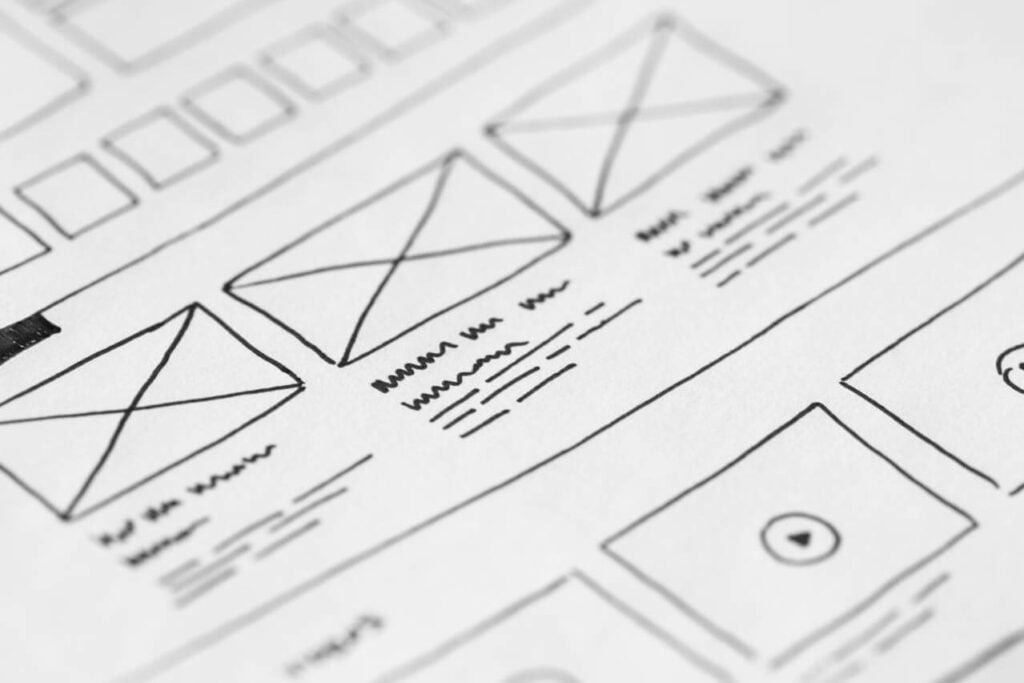
- Interactive wireframes and concepts before development begins
- Cross-disciplinary, in-house team working side by side every day
- Modular, object-oriented development on a pared-down WordPress framework
- API and integration specialists on staff—not outsourced
- Specialized hosting aligned with how the site is built
- Ongoing updates and support from people who know the system
Why Our Team Structure Matters
At DatAchieve Digital, UX/UI, design, development, API, and IAT2-certified specialists work together in the same space every day. Not remote. Not outsourced. Not assembled per project.
That’s a deliberate operational choice.
- Faster, better decisions: Questions get answered in conversation, not ticket threads.
- Problems surface early: Design, UX, and technical constraints are resolved before they become expensive fixes.
- What’s designed is what gets built: There’s no translation layer between vision and execution.
- Institutional memory is retained: Long-term employees mean context accumulates instead of disappearing when a contract ends.
- Clear accountability: The same team that designs and builds the system supports it over time.
From UX/UI and design through development and security, our team is professionally trained, with formal degrees, certifications, and real-world experience behind the work. Just as importantly, they work side by side, in person, every day. Over time, each team member is also trained internally to understand and support the work of others. The result isn’t just collaboration—it’s a shared understanding that amplifies creative and technical problem-solving in ways siloed teams can’t match.
How We Build
Projects fail quietly when decision-makers aren’t aligned. We surface priorities, constraints, and tradeoffs early so momentum isn’t lost later to surprises or redefining project goals.
Hosting, Site Care, and Support
Hosting and maintenance aren’t add-ons for us—they’re part of the responsibility.
- Specialized hosting aligned to how the site is built
- Managed updates with dependency awareness
- Preventative maintenance instead of emergency repair
- Ongoing support from people who already know your site and systems
Our Model vs. Typical Agency
| DatAchieve Digital | Typical Agency |
| ✓ WordPress specialists since version 1 ✓ Custom development on a pared-down WordPress framework ✓ Modular, object-oriented code built for long-term use ✓ UX, design, and development handled in-house ✓ Coding, API, and security specialists on staff ✓ Disciplined, minimal plugin use ✓ Specialized hosting aligned to the build ✓ Managed updates with dependency awareness ✓ Long-term support by the original team ✓ Built to evolve over years | — Occasional or recent WordPress use — Theme- or template-based builds — Page builders and short-term structures — Work split across teams or outsourced — Integrations outsourced or avoided — Heavy plugin stacks — Commodity hosting — Automated or reactive updates — Ticket-based support with staff turnover — Built to launch and move on |
Why We Use WordPress (and How We Use It Well)
We build on WordPress intentionally. WordPress is flexible, widely supported, and capable of powering complex, content-driven sites—but only when it’s implemented with discipline. We’ve written separately about:
- Where WordPress excels
- Where it can cause problems
- And how we mitigate its shortcomings through architecture, restraint, and long-term care
→ Read more: Why We Use WordPress—and How We Make It Work
The Practical Result
- Fewer rebuilds
- Fewer emergencies
- Fewer vendors to manage
- More continuity over time
Most organizations don’t outgrow their websites. They outgrow the way those websites were built and supported. Our model is designed to avoid that cycle.
